Why on earth would I let my garden look like? Anyone can see that it looks messy, dry, and desperately in need of a trim. Am I neglecting it? On the contrary – I’m constantly fighting the urge to grab my clippers and give the garden a buzz cut.
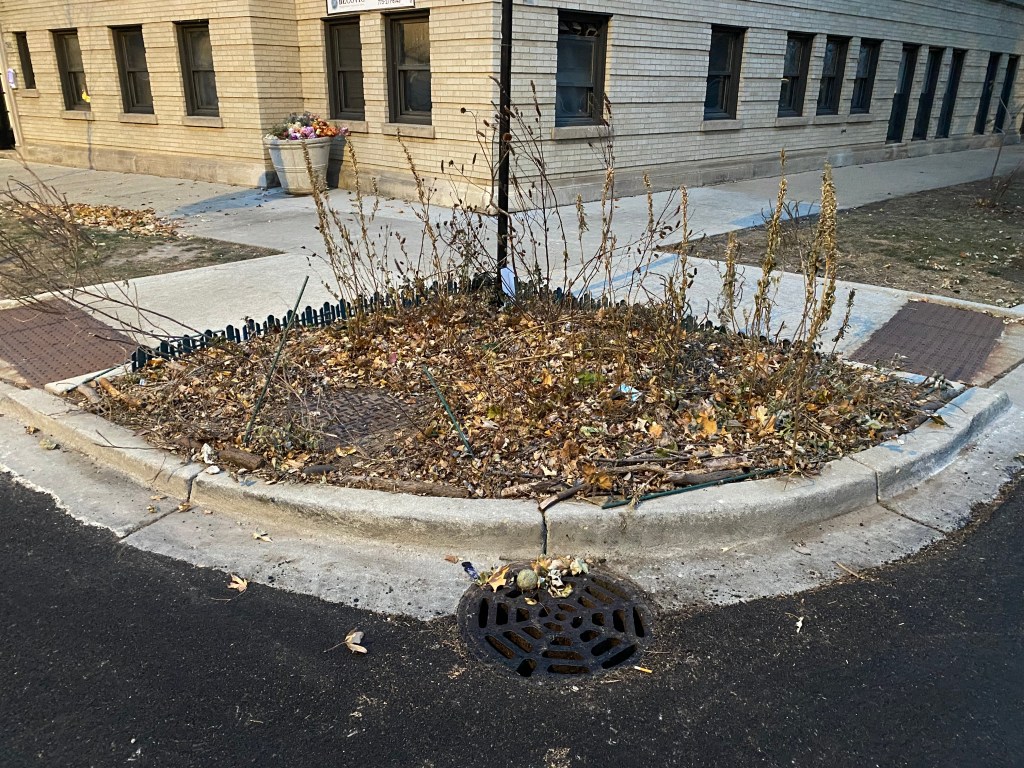
But I don’t, and it’s all for the creatures that go “buzz.” By leaving this “mess”, I’m creating homes. You may be familiar with migratory pollinators like Monarch butterflies, who travel to Mexico for the winter. But many of our native species don’t. Instead, they hunker down for the season right here. By leaving my garden in this seemingly wild state, I’m providing multiple safe spaces for these pollinators to overwinter.
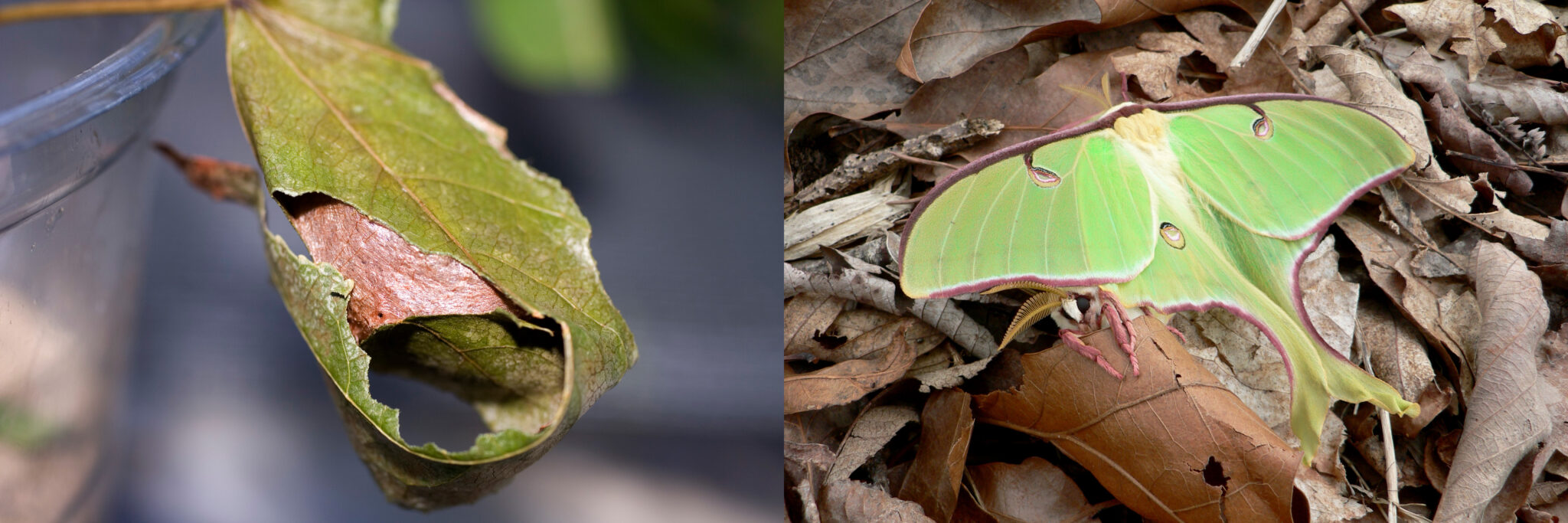
It could easily be raked up as “garden waste”.
The needs of native pollinators are surprisingly diverse. Some prefer to hide among the leaves, while others seek refuge in brush piles, and some even bury themselves in the dirt. They are the reason why you see some gardeners encourage others to let their gardens “sleep in” during early spring — so these essential pollinators have a chance to emerge before any digging or clearing takes place.
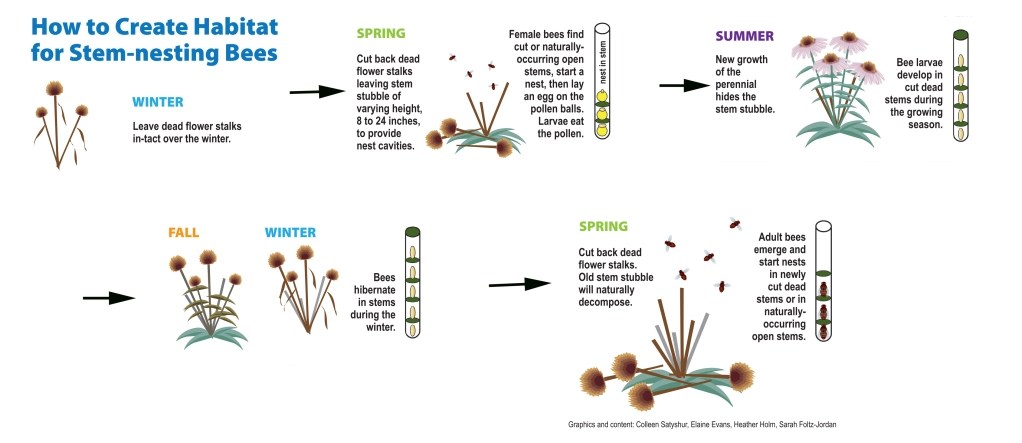
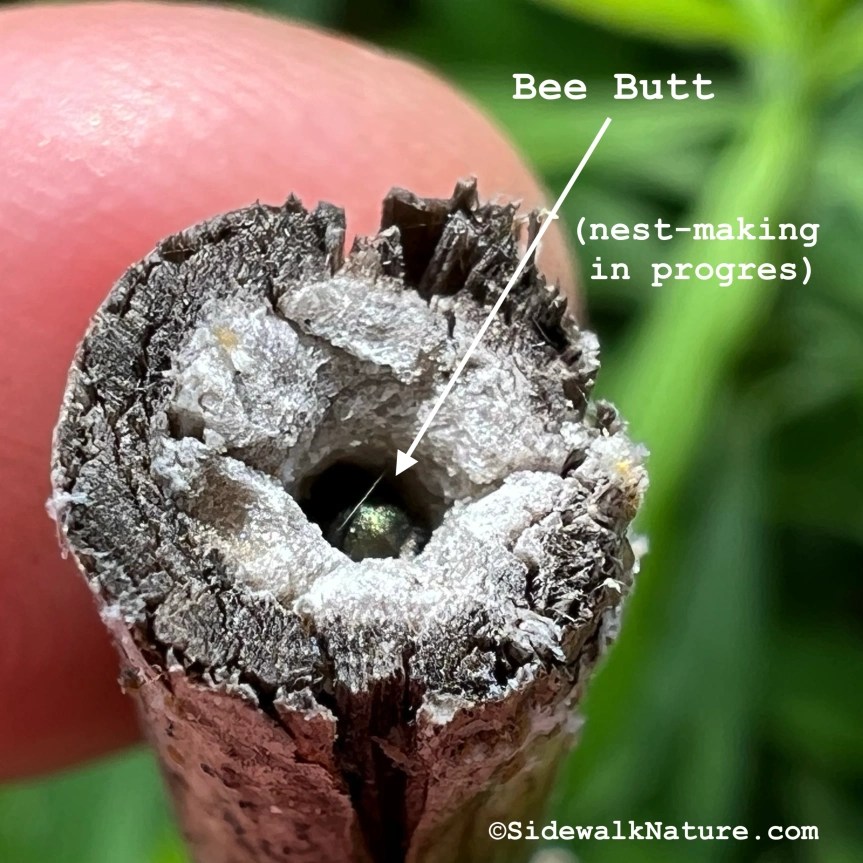
And yes, even stems can be homes. Many native bees, like mason bees, carve into the fibers of the stems and then create a special substance to seal themselves in against the cold. I like to look at the stems and think of them all snuggled in.
Additionally, leaving the seed heads on my flowers provides much-needed food for winter birds, like cardinals. In the spring, I’ll crush whatever remains and sprinkle it across the garden. Doing so last year created so many anise hyssop seedlings that I needed to give dozens away.
To learn more about which pollinators choose which method of overwintering, read “How to Support Our Pollinators, Insects and Birds During the Winter Months” by Master Gardeners at the Penn Extension.
 Birchwood Butterfly Corner